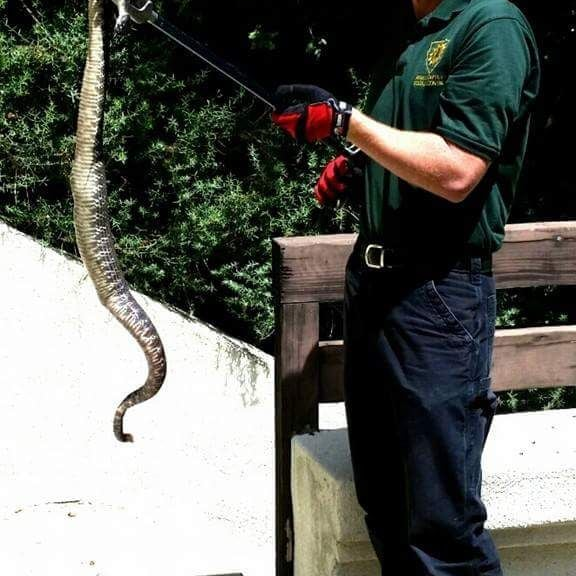
Snakes are a natural part of the environment across much of the country, and encounters around homes are more common than many people expect. For pet owners, these encounters can raise immediate concerns about safety. Dogs and cats are naturally curious, and that curiosity can sometimes put them at risk when a snake is present.
From our experience handling wildlife situations, we have seen firsthand how quickly a routine day in the yard can turn into an emergency. Knowing how snakes behave, which species are dangerous, and how to reduce risks can make all the difference in protecting your pets.
Are Snakes Actually a Threat to Pets?
Not all snakes pose a danger to pets. In fact, many species are harmless and play an important role in controlling pests like rodents. However, there are situations where snakes can become a serious threat.
The level of danger depends on several factors:
- The species of snake
- The size and behavior of your pet
- The environment where the encounter occurs
- How close the interaction becomes
Dogs are especially at risk because they tend to investigate unfamiliar movement, often approaching snakes directly. Cats may be quicker and more agile, but they can still provoke defensive strikes.
Venomous snakes are the primary concern. A single bite from the wrong species can cause severe injury or even be life-threatening without immediate treatment.
Common Venomous Snakes That Affect Pets
Across many regions, there are a few venomous snakes that pet owners should be aware of. While exact species vary by location, the most commonly encountered include:
- Rattlesnakes
- Copperheads
- Cottonmouths
Rattlesnakes are responsible for many pet injuries due to their defensive nature and presence in residential areas. They often blend into their surroundings, making them difficult to spot until it is too late.
Copperheads are another frequent concern. Their camouflage allows them to remain hidden in leaves, woodpiles, and shaded areas where pets may roam.
Cottonmouths, also known as water moccasins, are typically found near water sources but can travel into yards that provide food and shelter.
Each of these snakes will strike if they feel threatened, and pets often unknowingly trigger that response.
How Snake Encounters Typically Happen
Most snake encounters are not aggressive situations. Snakes do not seek out pets or people. Instead, they react defensively when startled or cornered.
Common scenarios include:
- A dog sniffing or pawing at a snake hidden in grass or brush
- A pet exploring under decks, sheds, or woodpiles
- Snakes entering yards in search of food like rodents or insects
- Pets encountering snakes near water features or shaded landscaping
In many cases, the pet initiates the interaction. This is why prevention and awareness play such a large role in reducing risk.
Signs Your Pet Has Been Bitten by a Snake
Snake bites are not always immediately obvious. Some bites may happen so quickly that the owner does not witness the interaction. Knowing what to look for can help you act quickly.
Common symptoms include:
- Sudden yelping or signs of pain
- Swelling, especially around the face, legs, or chest
- Puncture wounds or bleeding
- Lethargy or weakness
- Vomiting or drooling
- Difficulty breathing in severe cases
With venomous bites, swelling and pain tend to progress rapidly. Time matters in these situations, and veterinary care should be sought immediately.
What to Do If Your Pet Encounters a Snake
If you see a snake near your pet, your first priority is to safely remove your pet from the area. Do not attempt to handle or kill the snake, as this increases the risk of injury.
If a bite is suspected:
- Keep your pet calm and limit movement
- Avoid applying tourniquets or attempting home remedies
- Contact a veterinarian or emergency animal hospital right away
- If possible, note the appearance of the snake from a safe distance
Professional wildlife control should be contacted to address the presence of the snake and reduce the chance of another encounter.
How to Reduce Snake Risks Around Your Home
Prevention is one of the most effective ways to protect your pets. Snakes are drawn to environments that provide food, water, and shelter. Making your property less attractive can significantly reduce activity.
Here are practical steps to take:
Keep Your Yard Maintained
- Mow grass regularly
- Trim overgrown shrubs and bushes
- Remove leaf piles and debris
Snakes prefer areas where they can remain hidden. A clean, open yard reduces those hiding spots.
Eliminate Food Sources
Rodents are a primary food source for many snakes. If your property has a rodent problem, it can attract snakes.
- Secure trash bins
- Avoid leaving pet food outside
- Address rodent activity quickly
Remove Shelter Areas
Snakes often hide in:
- Woodpiles
- Rock piles
- Under decks and sheds
Keeping these areas organized or sealed can prevent snakes from settling on your property.
Secure Entry Points
Gaps in fencing or structures can allow snakes to enter your yard.
- Repair damaged fencing
- Install snake-proof barriers where needed
- Seal openings under structures
Supervise Pets Outdoors
Allowing pets to roam freely increases the chance of unexpected encounters. Keeping an eye on them, especially during warmer months, can help you intervene before a situation escalates.
Are Certain Pets More at Risk?
Yes, some pets face higher risks than others.
Dogs are generally more vulnerable due to their behavior. They tend to investigate movement and may bark, paw, or attempt to engage with a snake.
Cats are often more cautious, but they still hunt and can provoke defensive reactions. Outdoor cats are particularly at risk.
Smaller pets, such as rabbits or small dogs, may face additional danger if a snake attempts to constrict rather than bite.
Understanding your pet’s behavior can help you anticipate and prevent risky situations.
Seasonal Patterns of Snake Activity
Snake activity tends to increase during warmer months. Spring and summer are peak seasons, as snakes become more active in search of food and mates.
Early mornings and evenings are common times for movement, especially during hot weather when snakes avoid the midday heat.
Pet owners should be especially cautious during these periods and remain aware of areas where snakes are more likely to appear.
When to Call a Professional
If you notice repeated snake activity around your home, it is time to bring in professional help. Attempting to manage the situation on your own can lead to unnecessary risk.
A professional wildlife control service can:
- Identify the type of snake present
- Safely remove snakes from your property
- Assess conditions that may be attracting them
- Implement long-term prevention strategies
Our approach focuses on both immediate removal and addressing the root cause, so the problem does not return.
Why Professional Snake Removal Matters
Handling snakes requires training, proper tools, and an understanding of their behavior. Even non-venomous snakes can bite when threatened, and misidentification can lead to dangerous situations.
Professional removal ensures:
- Safe handling without harm to people or pets
- Compliance with local wildlife regulations
- Effective prevention measures tailored to your property
This level of care provides peace of mind that the issue has been handled correctly.
Protecting Your Pets Starts with Awareness
Snakes are a natural part of the ecosystem, but that does not mean they belong in your yard or near your pets. Awareness, prevention, and quick action can greatly reduce the risks.
By maintaining your property, supervising pets, and addressing wildlife concerns early, you create a safer environment for everyone.
Call for Safe and Reliable Snake Removal
If you have seen a snake on your property or want to reduce the risk of future encounters, our team is ready to help. We specialize in safe, effective wildlife control solutions designed to protect your home and your pets.Contact us today to schedule an inspection or request immediate assistance. Let us handle the problem so you can focus on keeping your pets safe and your property secure.