|
|||||||||||||||||||||||
Dead Animal Removal in Los Angeles |
|||||||||||||||||||||||
|
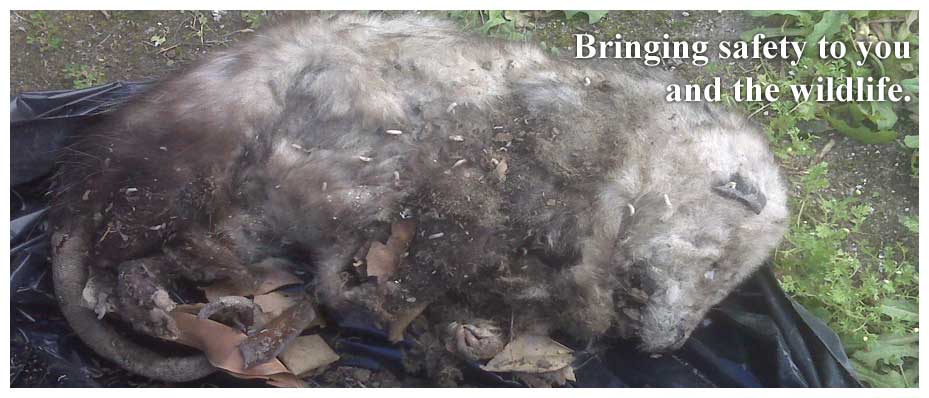
Discovering a dead animal on your property is stressful, and the odor can quickly spread through walls, crawl spaces, and attics. Smaller animals such as rats and mice may produce strong smells that linger for weeks, while larger animals like raccoons or opossums can create persistent odor problems for months. During that time, insects and bacteria can spread throughout the affected area. Prompt, professional dead animal removal helps protect both your property and your health. Animal Capture Wildlife Control provides dead animal pickup and cleanup throughout Los Angeles, handling rodents, raccoons, skunks, opossums, birds, bats, and other wildlife. While city services may collect carcasses from public roads and property, they typically do not remove dead animals from homes or businesses. Health Risks and Odor ProblemsA dead animal begins decomposing within hours. As tissues break down, gases such as cadaverine, putrescine, ammonia, and hydrogen sulfide are released. These gases create the strong, unmistakable smell associated with decay. They can also contribute to nausea, headaches, dizziness, and respiratory irritation. Carcasses may harbor harmful bacteria and viruses, including Salmonella, Leptospirosis, Tularemia, Hantavirus, and E. coli. Transmission can occur through direct contact, exposure to bodily fluids, droppings, or contaminated dust particles in the air. Decomposing animals also attract secondary pests such as flies, maggots, fleas, ticks, and scavenging rodents, which can spread disease throughout your property. Removing the carcass quickly reduces these risks and limits further contamination. Property Damage and Disposal ConcernsBodily fluids do not stay contained. As decomposition continues, fluids can seep into flooring, subfloors, insulation, and wall cavities. This can lead to stained ceilings or walls, mold growth, wood rot, and persistent odors that remain even after the carcass is gone. Improper disposal creates additional problems. Placing a carcass in regular trash without secure containment can leak fluids, attract scavengers, and create sanitation issues. It may also violate local waste regulations if not handled according to municipal guidelines. Proper handling requires heavy-duty gloves, protective clothing, leakproof containers, double bagging, and biohazard sanitation procedures. The Centers for Disease Control and Prevention (CDC) recommends wearing gloves and N95 respirators when handling carcass-contaminated materials. Thorough hand washing and clothing changes should follow any exposure. Why You Need a Professional Dead Animal Removal ServiceDIY dead animal removal often creates more problems than it solves. Many homeowners do not have proper protective equipment, and without respirators and gloves, exposure to bacteria and airborne particles increases. Other common issues include incomplete cleanup, missed fluids, lingering odors, and improper disposal. Hidden contamination can continue producing odors long after the visible carcass is removed. Large animals also require safe transport and proper disposal methods that comply with local regulations. Professional wildlife control specialists understand Los Angeles disposal rules and provide containment, sanitation, deodorization, and lawful disposal that protects your health and helps prevent future pest activity. Our Dead Animal Removal Process1. Locate the Source 2. Protective Preparation 3. Safe Removal 4. Disinfection 5. Material Removal if Needed 6. Deodorizing and Sanitizing 7. Proper Disposal Our technicians are licensed and insured. We can also inspect for entry points and recommend repairs to help prevent future wildlife problems. Preventive Tips and Related ServicesPreventing wildlife access reduces the risk of future dead animal issues. Helpful steps include repairing animal damage, installing barriers, sealing gaps around foundations and roofs, securing trash containers, storing pet food in sealed containers, trimming vegetation away from structures, and scheduling regular inspections. If wildlife is active on your property, we also provide rodent removal, raccoon removal, skunk removal, opossum removal, bat removal, squirrel removal, snake removal, and attic cleanup and sanitation. Addressing the source of the problem helps prevent repeat infestations. Call for Fast Dead Animal Pickup in Los AngelesDo not wait for the odor to worsen or pests to move in. Animal Capture Wildlife Control responds quickly and discreetly throughout Los Angeles. Contact a team that handles the job safely and professionally. Call (310) 551-0901 to request service for same-day or next-day assistance. Fast action protects your home, your health, and your peace of mind. Frequently Asked QuestionsWho picks up dead animals in Los Angeles?In Los Angeles, city sanitation departments typically handle roadkill pickup as well as dead animals found on city property. They usually do not remove animals from private property, inside homes, attics, or crawl spaces. For carcasses on private property, inside structures, or in hard-to-reach areas, a professional wildlife control company like Animal Capture Wildlife Control handles the removal, sanitation, and proper disposal. Do you offer dead animal pickup near me?Yes. Animal Capture Wildlife Control provides dead animal pickup throughout Los Angeles and surrounding communities. Along with dead rodent removal, we also remove raccoons, skunks, opossums, birds, bats, and other wildlife from attics, crawl spaces, yards, and wall voids. If you are searching online for “dead animal removal near me,” contact us for fast scheduling and same-day or next-day service when available. Do you offer animal removal near me?Yes. In addition to dead animal removal in Los Angeles, we provide live wildlife trapping and animal removal services. If animals are entering your home or causing damage, we can inspect the property, remove the wildlife humanely, and recommend exclusion repairs to help prevent future problems. |


Animal Capture Wildlife Control
Main Office: 310.551.0901 Areas Served... Beverly Hills, CA Burbank, CA Calabasas, CA Hidden Hills, CA Downey, CA Glendale, CA Inglewood, CA Long Beach, CA Pasadena, CA West Hollywood, CA Torrance, CA Hawthorne, CA Whittier, CA Lakewood, CA Santa Clarita, CA Van Nuys, CA Montebello, CA Huntington Park, CA El Monte, CA Monterey Park, CA Pico Rivera, CA Culver City, CA Santa Monica, CA North Hollywood, CA Alhambra, CA Rosemead, CA San Marino, CA La Canada-Flintridge, CA Westchester/LAX, CA El Segundo, CA Marina Del Rey, CA Redondo Beach, CA Manhattan Beach, CA Rolling Hills, CA Palos Verdes Estates, CA San Diego, CA San Francisco, CA Sacramento, CA Santa Ana, CA San Jose, CA Marin County, CA Coronado, CA La Jolla, CA Oceanside, CA San Diego, CA San Jose, CA San Diego, CA Fresno, CA Danville, CA Sacramento, CA Newport Beach, CA Huntington Beach, CA South Lake Tahoe, CA Elk Grove, CA Garden Grove, CA Ontario, CA Riverside, CA Long Beach, CALearn about... Raccoons Removal Raccoon Roundworm Removal Squirrels Removal Opossums Removal Skunks Removal Bats Removal Snakes Removal Snake Fencing Dead Animal Removal |
||||||||||||||||||||||
| Sitemap | ©2024 Animal Capture Wildlife Control. All rights reserved. | Website Design and Development by Oscar Campos | ||||||||||||||||||||||